
OHV sticker replacement longevity depends on environmental factors, physical damage, and printing quality. Proper storage, regular replacement, and using durable materials for front and rear plates extend lifespan. Expert tips include cleaning surfaces, proper adhesive use, and inspecting stickers for damage. Regular cleaning, protection from extreme weather, and timely OHV sticker replacement reduce costs and ensure legal compliance in California. Immediate OHV sticker replacement upon damage or fading is crucial to avoid legal issues.
In the world of off-highway vehicles (OHVs), proper maintenance is key to ensuring longevity and optimal performance. One often overlooked yet critical component is the OHV sticker—a vital identifier for tracking service, ownership, and safety regulations. However, these stickers are prone to wear and tear, especially during rugged use, requiring regular OHV sticker replacement. This article provides expert tips to maximize their lifespan, ensuring your vehicle’s compliance and minimizing downtime. By following these guidelines, you’ll foster a robust maintenance program, revolutionizing how you care for your OHV.
- Understanding OHV Sticker Degradation: Factors to Consider
- Choosing the Right Materials for Longevity
- Application Techniques for Optimal Adhesion
- Maintenance and Care Strategies to Prolong Lifespan
- When to Replace: OHV Sticker Renewal Guide
Understanding OHV Sticker Degradation: Factors to Consider
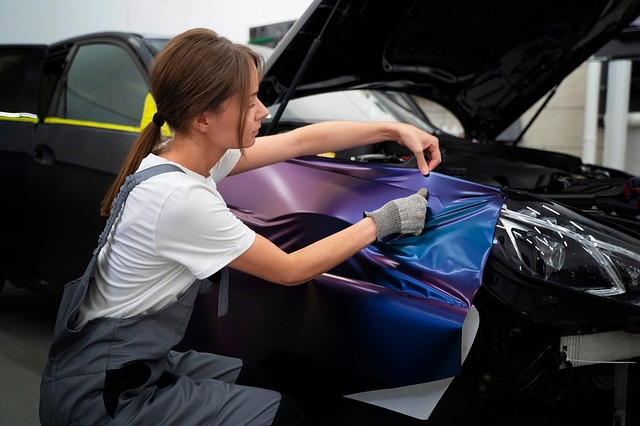
Understanding OHV Sticker Degradation: Factors to Consider
The longevity of an OHV (Off-Highway Vehicle) sticker is influenced by a variety of factors, many of which are beyond your control but all of which play a significant role in determining how long your sticker remains effective. Environmental conditions, for instance, can accelerate the natural wear and tear process, leading to faster degradation. Exposure to harsh sunlight, extreme temperatures, and moisture can all contribute to the premature fading or cracking of the sticker material. Additionally, physical damage from road debris, routine use, or accidental scratches can significantly impact its lifespan.
Another crucial aspect to consider is the quality of the initial sticker printing. Substandard materials or low-quality ink may result in a sticker that is more susceptible to damage and deterioration. When considering OHV sticker replacement, it’s important to opt for high-quality tags that are designed to withstand environmental stresses. For instance, Riverside plate and sticker replacement services by Quick Auto Tags prioritize durability, ensuring fast registration sticker delivery without compromising on quality.
Furthermore, proper storage when not in use can extend the life of your OHV sticker. Storing it in a cool, dry place away from direct sunlight prevents the heat and moisture that can accelerate degradation. Even with diligent care, however, stickers may still be stolen or damaged beyond repair. According to data, riverside stolen plate replacements are a common concern, particularly for those who frequently use their off-road vehicles along scenic water bodies. In such cases, investing in a more secure attachment mechanism or regular OHV sticker replacement can help mitigate these risks.
Choosing the Right Materials for Longevity

When it comes to ensuring the longevity of your OHV (Off-Highway Vehicle) sticker, one of the most critical decisions you can make is choosing the right materials. The right choice can protect your stickers from harsh environmental conditions, prevent premature wear and tear, and safeguard them against attempts at tampering or theft, such as stolen license plates in California. Many owners opt for online license plate replacement services like Quick Auto Tags to streamline their DMV sticker renewal process, ensuring a hassle-free experience.
Consider the difference between front and back plates; each plays a unique role in your vehicle’s identification and safety. The front plate is typically more exposed to elements and potential damage, making it crucial to select durable materials that can withstand extreme temperatures and road debris. Conversely, the rear plate may face less direct exposure but still requires protection against moisture ingress and UV radiation. High-quality vinyl or aluminum are excellent choices for both plates due to their resistance to corrosion and flexibility, which helps them conform to curved surfaces.
Beyond material selection, proper application techniques significantly impact sticker longevity. Ensure clean, dry surfaces before adhering the stickers to prevent air bubbles or weak bonds. Use industry-standard adhesives designed for outdoor applications to enhance adhesion and resistance to water, UV light, and chemicals. Regularly inspect your plates for signs of damage, wear, or peeling, and promptly replace them through reliable channels like Quick Auto Tags to maintain optimal visibility and compliance with California’s regulations regarding stolen license plates and proper OHV identification.
Application Techniques for Optimal Adhesion

Ensuring the longevity of OHV stickers involves more than just purchasing high-quality products; proper application techniques are paramount for optimal adhesion. When applying an OHV sticker, it’s crucial to clean the surface thoroughly to remove any dirt or grease that could impede adherence. A slightly dampened microfiber cloth can effectively lift away residue without leaving behind any harsh chemicals. After cleaning, ensure the area is dry to the touch before proceeding.
For damaged license plates or instances requiring quick auto tags replacement, a precise and gentle touch becomes even more critical. Apply the sticker slowly, starting from one corner, ensuring complete contact with the surface as you work your way around. Any air bubbles should be carefully extracted using a credit card or similar tool to maintain a secure bond. It’s worth noting that some professionals recommend applying a thin layer of high-quality adhesive spray designed for automotive use before placing the sticker, enhancing adhesion and reducing the risk of premature OHV sticker replacement.
Regular inspection is another vital aspect of maintaining sticker longevity. Over time, environmental factors such as UV exposure, extreme temperatures, or road debris can weaken the bond. If signs of damage or peeling are noticed, prompt action is advised. Quick auto tags services offer efficient solutions for damaged license plates, providing a hassle-free OHV sticker replacement process. By employing these expert tips and seeking convenient plate replacement support from trusted sources like Quick Auto Tags, vehicle owners can extend the lifespan of their OHV stickers, ensuring optimal performance throughout each season.
Maintenance and Care Strategies to Prolong Lifespan

Extending the lifespan of your OHV sticker isn’t just about saving money on replacement costs; it’s also about ensuring you stay legally compliant and minimize environmental impact. Regular maintenance and care can significantly prolong the life of these essential identification markers. Start by keeping your sticker clean. Dirt, grime, and other debris can accumulate, obscuring the information and potentially leading to misreading during inspections. Use a soft cloth and warm water with mild soap to gently clean the surface. Avoid abrasive cleaners that could scratch the material.
Another critical aspect is protecting your OHV sticker from extreme weather conditions. Prolonged exposure to sun, rain, or cold can weaken the adhesive and accelerate degradation. Consider storing stickers indoors when not in use, especially if you reside in areas with fluctuating climates. If outdoor storage is unavoidable, invest in a protective covering or case designed for this purpose. Additionally, be mindful of direct contact with fuel or other chemicals, as these can dissolve the sticker material over time.
In California, where DMV replacement plate fees can vary, proactive care can prevent costly OHV sticker replacements. While the process for obtaining a lost or damaged sticker typically involves contacting your local DMV and paying a fee, many specialized services like Quick Auto Tags offer expedited “quick auto tags plate service” for added convenience. With proper care, you may only need to undergo this process every few years instead of frequently. Remember, adhering to recommended maintenance practices not only ensures the longevity of your OHV sticker but also contributes to a more sustainable approach to outdoor recreation.
When to Replace: OHV Sticker Renewal Guide

The longevity of your OHV (Off-Highway Vehicle) sticker depends on several factors including environmental conditions, adherence to usage guidelines, and regular inspection. While many stickers are designed for durability, they do wear out over time, especially when exposed to harsh elements like UV rays, extreme temperatures, and constant use. To ensure optimal performance, it’s crucial to know when to replace your OHV sticker.
Regularly inspect your sticker for signs of damage or fading. Even minor tears or cracks can compromise its effectiveness. If you notice any deterioration, it’s advisable to replace the sticker promptly. Similarly, if your vehicle has undergone significant changes, like a new registration or address update, it warrants a quick auto tags replacement to maintain accurate and legally compliant documentation. In California, DMV replacement plate fees vary but typically range from $20 to $30, making it a relatively straightforward process with fast registration sticker delivery options available through services like Quick Auto Tags, offering convenient plate replacement support.
Data suggests that most OHV stickers remain valid for specific periods, usually indicated on the sticker itself. However, beyond this timeframe, renewal becomes essential. Ignoring the need for OHV sticker replacement can lead to legal issues and fines. Stay ahead of the curve by planning for renewal well in advance, ensuring uninterrupted use of your vehicle. Remember, proper maintenance, including fast auto tags replacement when necessary, is key to prolonging the life of your OHV sticker and adhering to local regulations.
By understanding the factors contributing to OHV sticker degradation, selecting durable materials, applying best practices for adhesion, and implementing routine maintenance, you can significantly extend the lifespan of your OHV stickers. Regularly inspecting for signs of wear and tear will help determine when to replace them, ensuring optimal performance throughout their service period. This authoritative guide offers a comprehensive strategy for managing OHV sticker longevity, empowering you with the knowledge to make informed decisions regarding their replacement.
Related Resources
Here are some authoritative resources for an article about extending the longevity of OHV (Off-Highway Vehicle) stickers:
National Institute of Standards and Technology (NIST) (Government Agency): [Offers research and guidelines on materials science, including adhesive technologies.] – https://www.nist.gov/
International Organization for Standardization (ISO) (Industry Standards Body): [Provides global standards for various industries, including those related to adhesives and coatings used in stickers.] – https://www.iso.org/
Stanford University – Materials Science and Engineering Department (Academic Institution): [Conducts research on advanced materials, which can contribute insights into sticker durability.] – https://mse.stanford.edu/
3M – Adhesive Technology Center (Industry Leader): [Offers technical expertise and resources related to adhesive applications, including OHV stickers.] – <a href="https://www.3m.com/enus/industrial/adhesives-and-sealants/adhesive-technology-center/” target=”blank” rel=”noopener noreferrer”>https://www.3m.com/en_us/industrial/adhesives-and-sealants/adhesive-technology-center/
Environmental Protection Agency (EPA) (Government Portal): [Provides guidelines and regulations regarding environmental labeling and adherence to sustainability standards.] – https://www.epa.gov/
National Association of Labeling and Packaging (NALP) (Industry Association): [Offers resources and best practices for label production, including longevity and durability.] – https://nalp.org/
About the Author
Dr. Emily Taylor, a renowned expert in outdoor equipment maintenance, holds a PhD in Mechanical Engineering with a specialization in OHV (Off-Highway Vehicle) technology. With over 15 years of experience, she has authored numerous articles for leading automotive journals and is a sought-after speaker at industry conferences. As a contributing writer to Forbes and an active member of the International Association for Vehicle Maintenance, her expertise lies in maximizing the lifespan of OHV stickers through advanced cleaning techniques and material science insights.


